Cooling System Service in Chicago, IL
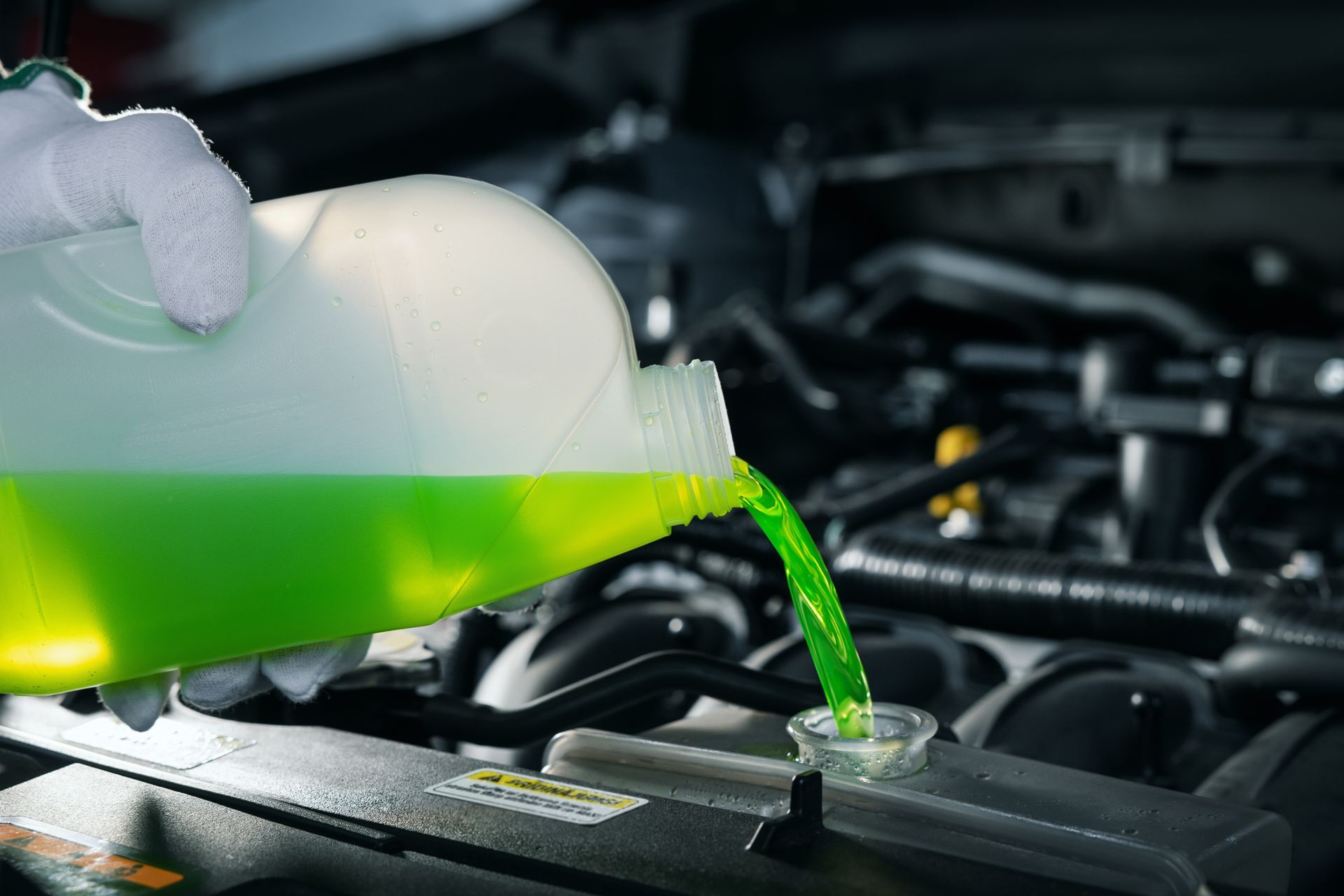
If your engine is running hot or you’re noticing coolant leaks, your vehicle’s cooling system may need attention. At Maxcare Auto Shield Repair, we provide cooling system service in Chicago, IL to help prevent overheating and keep your engine operating at the right temperature. If you’re seeing warning signs, call us at 773-598-8802 and we’ll help you figure out the next step.
What the Cooling System Does
Your vehicle’s cooling system helps regulate engine temperature and prevent overheating. It works by circulating coolant through the engine and radiator to absorb and release heat. This system includes several components that work together to maintain proper temperature. If any part of the system isn’t working correctly, it can affect overall engine performance.
Signs You May Need Cooling System Service
Cooling system problems can develop over time or appear suddenly.
Common signs include:
- Engine temperature running higher than normal
- Steam coming from under the hood
- Coolant leaks or low coolant levels
- A sweet smell from the engine area
- Heater not working properly
These symptoms can have more than one cause. Testing is needed to confirm the source of the problem. If your vehicle is overheating or losing performance, our engine repair service may be needed.
Common Cooling System Services
Cooling system service can involve different repairs depending on the condition of the system.
Common services include:
- Coolant flush and replacement
- Radiator inspection or repair
- Thermostat testing or replacement
- Hose and connection inspection
- Water pump evaluation
Not every vehicle will need the same service. Proper inspection helps determine what’s necessary.
Our Approach to Cooling System Service
We focus on identifying the cause of the issue before recommending repairs.
The process may include:
- Checking coolant condition and levels
- Inspecting for leaks
- Testing system pressure
- Evaluating temperature performance
Overheating can have multiple causes, so accurate diagnostics are important. If warning lights are on, our auto diagnostics service can help identify related issues.
Why Cooling System Service Matters
The cooling system plays a key role in protecting your engine.
Addressing issues early can help:
- prevent overheating and engine damage
- maintain consistent performance
- reduce the risk of breakdowns
Even small leaks or low coolant levels can lead to larger problems if not addressed.
Cooling System Service in Chicago, IL and Surrounding Areas
We help drivers in Chicago, IL and nearby communities maintain reliable engine performance with proper cooling system service. Whether you’re driving short local trips or longer distances, a properly working cooling system helps your vehicle stay dependable.
Let's Talk!
Address
6301 South Kostner Avenue
Chicago, Illinois 60629
Phone
(773) 598-8802
Hours
Mon — Fri: 8:00 AM — 6:00 PM
Saturday: 8:00 AM - 3:00 PM
Areas We Currently Serve
Maxcare Auto Shield Repair helps drivers throughout the Chicago area with dependable tire services, brake repair, transmission repair, suspension work, and general auto maintenance. As an authorized Goodyear dealer, we also provide access to trusted tire brands for a wide range of vehicles and driving needs. Whether you use your vehicle for commuting, errands, or longer highway drives, our team is here to help keep it reliable and ready for the road.
Cooling System Service FAQs
What causes a car to overheat?
Overheating can be caused by low coolant, leaks, thermostat issues, radiator problems, or other system concerns. The exact cause depends on the vehicle.
How often should coolant be replaced?
Service intervals can vary by vehicle and coolant type. It’s best to follow manufacturer recommendations or have the system checked during routine maintenance.
Can I drive if my engine is overheating?
Driving while overheating can lead to serious engine damage. It’s best to stop driving and have the vehicle inspected as soon as possible.
Why is my coolant level low?
Low coolant can be caused by leaks, evaporation over time, or other system issues. A proper inspection can help determine the cause.